From Sheep to Shawl in the Julian Alps

Step into the high meadows where Alpine textiles and natural dyes in the Julian Alps come alive, and follow the patient journey from sheep to shawl with craft, science, and story. We will meet shepherds, sort fleece, coax color from plants, and weave fabric shaped by mountain weather. Expect practical guidance, history, and heartfelt voices from valley workshops. Share your questions, subscribe for new chapters, and tell us how you spin, dye, or wear wool warmed by ridge winds and summer light.

Summer pastures and ringing bells

Summer grazing on sunlit planinas lifts flocks above valley heat, letting sheep browse aromatic grasses that keep fleeces bright and strong. Shepherds record weather, guard lambs with calm dogs, and move gently to protect fragile slopes. You can almost taste resin on the breeze while imagining next winter’s scarf already softening between your hands.

Breeds and fiber character

Local flocks often include the sturdy Jezersko Solčava and adaptable crossbreeds, producing medium wool that takes twist eagerly and felts with control. Staple length and crimp decide softness and bounce, while micron counts guide next steps. Holding a single lock, you predict shawl drape, warmth, and how color will glow after mordanting.

Shearing, Skirting, and Scouring

Spring clips arrive when rising temperatures loosen fibers and sheep welcome lightness. Yet excellence depends on decisions taken inches from the fleece. We skirt generously, separate by staple and cleanliness, label bags for spinning or felting, and scour with measured heat and biodegradable soap. The result is a relaxed, open fiber ready to drink color and hold elegant twist.

Carding, Spinning, and Plying

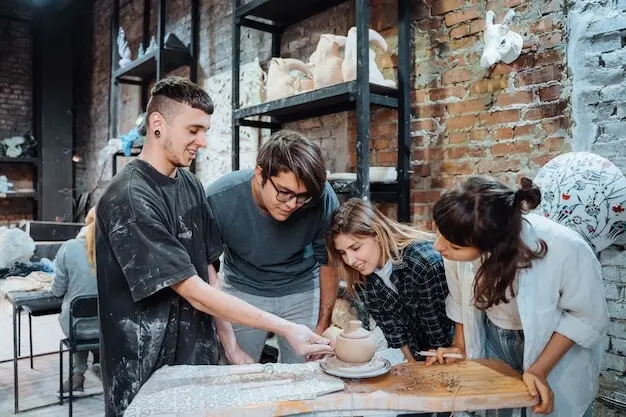
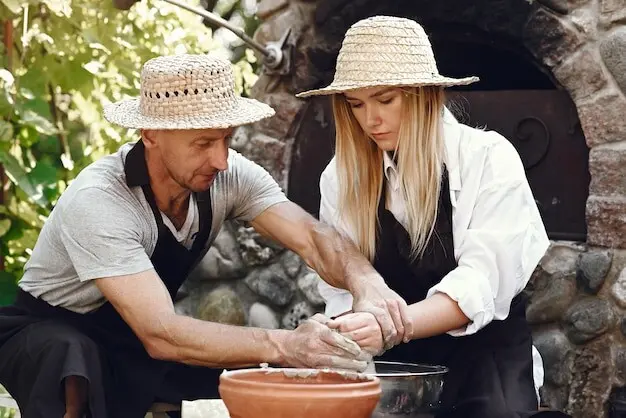
Transformation begins when locks open into clouds, align into rolags or batts, and twist into stories. Carding sets the rhythm; drafting defines character. Whether with a drop spindle on a porch bench or a wheel beside a tiled stove, controlled twist and balanced ply build yarns that weave true, dye evenly, and drape like mountain mist.

Color from the Mountains: Natural Dyes

{{SECTION_SUBTITLE}}

Mordants, modifiers, and water

Alum establishes brightness and lightfastness, while small iron dips deepen shadows and calm exuberant yellows. Water hardness, shaped by limestone and snowmelt, tilts pH and affects uptake, so we test first. Patience matters most; simmer gently, allow rest periods, and record every variable so tomorrow’s shawl remembers today’s mountain conditions.

Harvests and pantry color

Gentle gathering keeps meadows whole. Birch leaves, onion skins saved through winter, walnut hulls, marigold heads, and dried weld offer sustainable color without touching protected flora. Lower valleys may grow woad for blues, while larch bark and alder cones add browns. Swatch each bath, then layer glazes for complexity that echoes shifting alpine light.

Weaving, Fulling, and Finishing

Loom beams carry stories forward, transforming measured warp and thoughtful weft into fabric that breathes. We design drafts for drape and resilience, weave with even tension, then finish with washing and controlled fulling to bloom fibers. Blocking, gentle brushing, and hand rolled hems finalize pieces that hold warmth lightly and move like valley fog.

Heritage, Community, and New Pathways

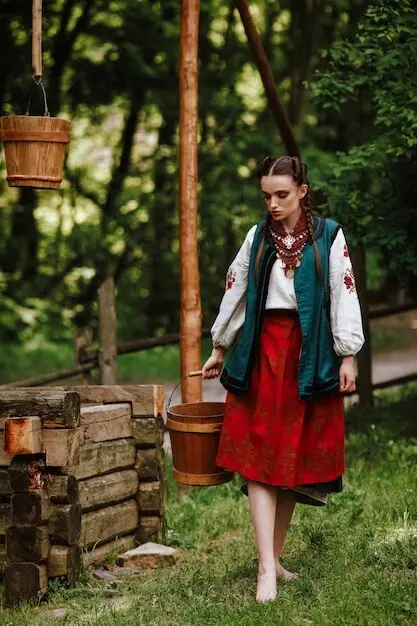
Workshop voices from the valley

Listen to a maker describe the first time a visitor tried on a freshly woven piece and stood near tears, saying the color felt like late September larches. Such reactions pay bills and sustain spirits. Hosting small groups fosters patience, conversation, and apprenticeships that keep both hands and stories working.

Pricing that respects the journey

Farmers, shearers, scouring, spinning hours, dye plants, and loom time all belong in the ledger. Explaining these steps to customers invites partnership rather than haggling. Consider transparent tags breaking down costs, celebrate repairs and lifelong service, and encourage thoughtful purchasing that keeps landscapes cared for and craftspeople solvent through lean seasons.

Join the circle

Subscribe for new guides, share your dye tests or loom drafts in the comments, and ask questions about tricky mordanting or weft spacing. Recommend mountain friendly suppliers, propose interviews, and suggest workshops you would attend. Your voice helps shape future posts and keeps this living craft grounded, generous, and joyfully practical.
Fexotavozunotora
Privacy Overview

This website uses cookies so that we can provide you with the best user experience possible. Cookie information is stored in your browser and performs functions such as recognising you when you return to our website and helping our team to understand which sections of the website you find most interesting and useful.