Into the Julian Alps: Slowcraft Journeys with Master Artisans

Step into a living guide to artisan workshops and residency pathways where learning slowcraft with masters in the Julian Alps becomes a deeply human experience. We map hands-on opportunities, share lived stories, and offer practical steps for choosing mentors, seasons, and studios. Expect quiet mornings with wood shavings, river-cooled clay, mountain wool dyed by meadow plants, and evenings of shared soups and critique. Bring questions, curiosity, and a notebook—your next transformative craft chapter may begin on a high ridge at sunrise.

Mapping the Craft Landscape

Before booking tickets, understand how the Julian Alps shape making: crisp air that dries finishes slowly, stone villages where tools are still sharpened by hand, and rivers that lend rhythm to workdays. From the Soča Valley’s turquoise currents to lakeside studios near Bled, each micro-region affects materials, pace, and mentorship availability. We highlight seasonal access, travel corridors, and the subtle difference between short workshops and longer residencies, so you can choose a setting that supports deep focus, respectful slowness, and rewarding community ties.

Regions to Know: Soča Valley, Bled, and High Passes

The Soča Valley offers serene studios with open doors to water-cooled breaks, while Bled balances quiet mornings and convenient evenings. Higher passes reward determined travelers with solitude, crisp light, and old family workshops tucked behind carved doors. Consider travel time, food supplies, and nearby trails that refresh the mind after long sessions. The farther you go, the fewer distractions, but also fewer shops—plan accordingly, and embrace conversations with locals who often point you to the most generous mentors.

What Slowcraft Looks Like Here

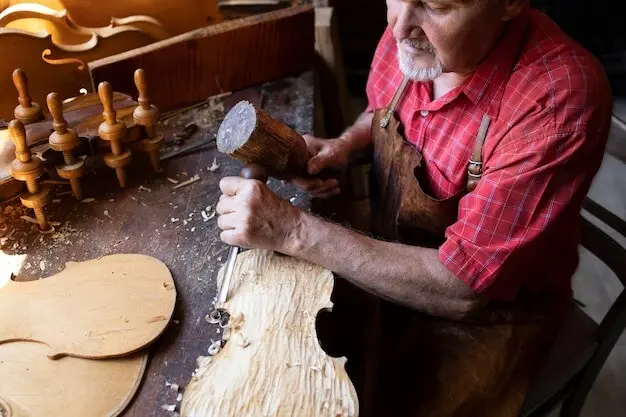
Slowcraft in these mountains means letting work breathe: carving that follows fiber, glazes cured patiently, wool dyed with meadow flowers rather than instant powders. Masters emphasize repair over replacement and process over speed. You might spend hours sharpening, then minutes making an exacting cut. Apprentices learn to listen for the change in the tool’s song, or watch steam rise from freshly planed spruce. The result is not just an object, but an embodied memory of place, weather, patience, and respectful attention.

Seasonality and Timing

Spring brings gentle temperatures and river roars; summer opens high trails but crowds bus lines; autumn gives gold light perfect for finish work; winter quiets villages, favoring writing, drawing, and detailed bench work. Workshops often fill during harvest festivals, while residencies may expand in shoulder seasons. Consider daylight hours if you rely on natural light, and humidity if you fire kilns or dry oils. Plan buffer days for storms and serendipity, because the strongest breakthroughs often arrive after a long, slow walk.

Finding the Right Workshop or Residency

Choosing the right fit begins with values: lineage of teaching, respect for local materials, and the permission to work at humane speed. Look for clear studio policies, accessible tool lists, and mentors who welcome questions. Balance the romance of remote cabins with the reliability of public transport and health services. Seek places that encourage experimentation without waste, and critique without cruelty. We outline research strategies, contact etiquette, and how to read between the lines of glossy photos to find real alignment.

Living the Mountain Rhythm

Daily life shapes outcomes as much as tools. Mountain weather asks for layered clothing, adaptable plans, and generous margins around each task. Food is simple and nourishing, water cold and clear, silence textured by bells and wind. The pace protects attention: a morning of sharpening, an afternoon walk, an evening of assembling parts without hurry. Treat slowness as tuition paid in focus, not lost hours. When your schedule respects daylight, your mind opens; when your mind opens, your hands listen.

01

Rituals that Support Practice

Start with tea and bench sweeping, then list three achievable actions. Pause every hour to check posture and breath. Build in a short walk before complex cuts or glazing decisions. End by writing one paragraph about what your hands learned. Small rituals prevent panic, sharpen perception, and weave continuity between days. Over weeks, these gentle structures become an invisible mentor, guiding you through doubt, fatigue, and the exquisite patience that mountain craft so generously demands and eventually rewards.

02

Ethical Sourcing and Local Materials

Respect for place begins with material choices. Ask where spruce, larch, or walnut was harvested, whether wool supports small flocks, and which clays are quarry-safe. Favor offcuts, reclaimed beams, and plant dyes gathered with permissions. Learn to read grain for efficient cuts, and to compost shavings responsibly. Masters here often treat scarcity as a creative partner, not an obstacle. When you trace each component’s journey, your finished piece carries transparent integrity—something you can explain proudly to any future caretaker.

03

Language, Customs, and Shared Tables

A few local phrases open many doors. Simple greetings, gratitude, and patient listening smooth everything from hardware purchases to studio access. Observe meal rhythms and tool etiquette. Offer to help sweep before asking complex questions, and bring bread or fruit to group critiques. Curiosity dissolves awkwardness faster than fluency. Stories travel well across languages when you point, sketch, and show your work-in-progress. Around shared tables, you will learn as much about caring for people as caring for wood, wool, or clay.

Techniques to Explore with Masters

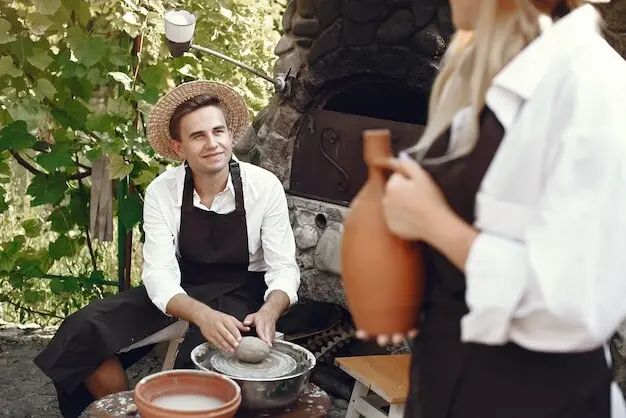
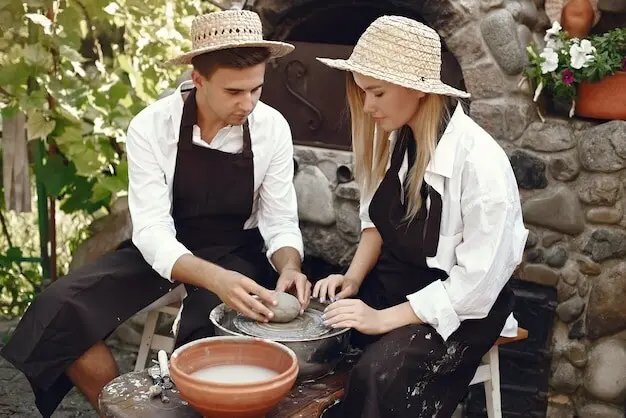
The Julian Alps invite tactile learning that respects time: wood shaped along patient grain, wool transformed with mountain water, clay tempered to fire evenly in crisp air. Focus on a few techniques deeply rather than sampling everything. Let mentors correct your stance, your bevel angles, your rhythm. Practice small studies relentlessly, then scale thoughtfully. By attuning to environment—light, humidity, silence—you will surprise yourself with cleaner cuts, steadier edges, truer curves, and finishes that glow without shouting.

Stories from the Bench

Real days are not brochures. A student arrives with city haste and leaves with a handheld box smelling like larch. A mentor pauses a demo to listen to rain, then changes the plan entirely. Joints fail, laughter returns, soup simmers, and hands find rhythm again. These short scenes capture how mountains shape choices and choices shape outcomes. Let them remind you that craft is a relationship—between maker, material, weather, and time—and that every good story begins with attention.

A Morning Beside the Soča

We carried blanks to a shaded bench while river light flickered across steel. The mentor asked for silence, then guided our wrists until the blade began to sing. One student cried quietly, not from pain but relief. Our spoons were uneven, yet every bowl held gratitude. Walking back, we traded sharpening stones like talismans. That morning taught us form emerges after listening, and that the river had been teaching the mentor long before we arrived, patient and bright.

Late Light Over Lake Bled

In golden dusk, we sanded edges until the church bells carried across water. Tourists drifted away; focus returned. The mentor adjusted my grip by a few millimeters, and suddenly the curve settled into harmony. We sealed the surface with oil that smelled faintly of hay. A stranger knocked, curious, and left with a story instead of a souvenir. Small victories like that—quiet, almost private—become the anchor points you remember when the city noise tries to hurry your hands again.

Costs, Funding, and Fair Exchanges

Break expenses into buckets: tuition or studio access, lodging, meals, transit, materials, contingencies. Seek microgrants, community arts stipends, or reciprocal arrangements like leading a demo or contributing documentation. Clarify refund windows and tool replacement policies. A fair exchange values the mentor’s years while keeping pathways open to learners. When your numbers are honest, you arrive lighter, focus deeper, and leave able to support the next traveler who needs a quiet bench, a sharp chisel, and kind guidance.

Packing Lists and Shipping Strategies

Pack layers, a headlamp, notebook, ear protection, and the few personal tools you truly know. Label everything; respect the studio’s shared system. Bring compact sharpening gear and a small repair kit. Consider mailing heavy items home or arranging local storage for returns. Protect green wood or damp clay carefully to avoid heartbreak. Keep digital copies of documents and contact numbers offline. A thoughtful kit reduces friction, preserves energy for craft, and lets you respond nimbly when weather or opportunity shifts.

Wellbeing, Trails, and Workshop Safety
Hands endure more when bodies rest well. Stretch forearms, keep water nearby, and switch tasks before fatigue invites slips. Learn fire safety, kiln etiquette, solvent handling, and dust control. On trails, respect forecasts and turn back early when needed. Share your day plan, carry a small first-aid kit, and know local emergency numbers. Safety is not fear; it is respect for complexity. When you move carefully, the work grows braver, cleaner, and infinitely more sustainable over years of making.

Community, Sharing, and What Comes Next

Craft matures when seen and supported. Document process generously, invite critique, and celebrate small advances. Exchange techniques across disciplines—carvers learn from potters, dyers from bee keepers, sketchers from hikers. Host a tiny showing on your last evening, even if pieces are unfinished. Back home, schedule regular sessions and keep one Alpine ritual alive. Share questions in the comments, subscribe for workshop updates, and tell us what you hope to learn up here—we’ll connect you thoughtfully.
Fexotavozunotora
Privacy Overview

This website uses cookies so that we can provide you with the best user experience possible. Cookie information is stored in your browser and performs functions such as recognising you when you return to our website and helping our team to understand which sections of the website you find most interesting and useful.